Technology
Five connected technology layers.
Sensing, data fusion, soldier wearables, command and control, and safety-first countermeasure interfaces — designed to work as one system.
01 · System architecture
From sensor to safe decision.
Select a layer to see what it contains and the status of each part.
02 · Drone detection & awareness
Detecting and identifying aerial threats.
- Sensor observationSensors capture raw signals from the airspace.
- Object detectionSoftware finds something unusual in the data.
- ClassificationThe object is categorised, for example drone or unknown.
- Track associationDetections are linked into one moving track.
- Confidence assessmentThe system scores how certain it is.
- Command notificationTrack and confidence are sent to the command interface.
Detection range, accuracy and false-alarm behaviour are not specified and will be established through testing.
03 · Sensor ecosystem
Multiple sensors. One shared picture.
Common information layer
- Centralised data processing
- Time alignment
- Fusion and tracking
- One consistent record
Shared awareness picture
One view for command: tracks, personnel, status.
Sensor categories are candidates; specific hardware is not yet selected.
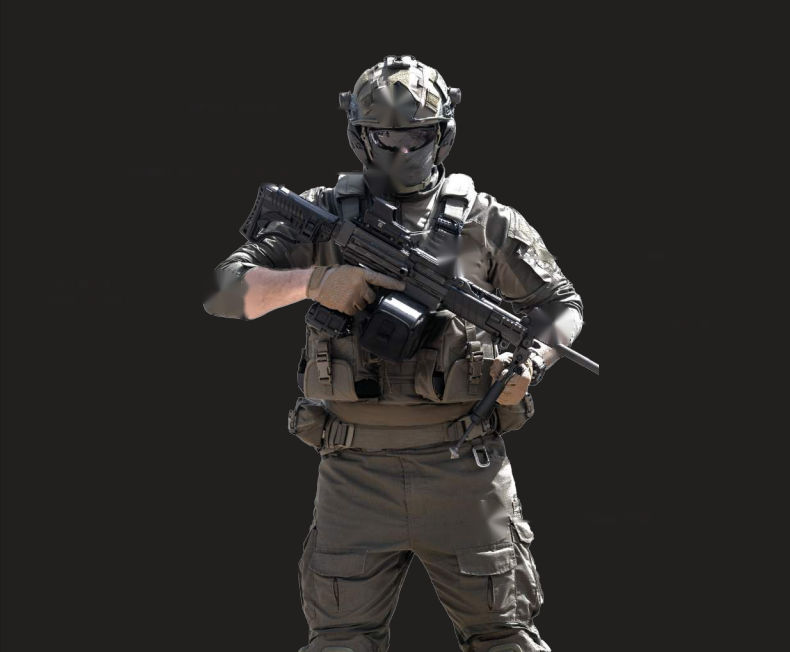
- 1Fatigue / exhaustion
- 2Rapid breathing
- 3High pulse
- 4Reduced focus, slow reactions
- 5Muscle tremor
- 6Motor difficulty
Photo: IWI. Indicator locations are illustrative candidates.
04 · Soldier wellbeing & fatigue
Fatigue-aware duty management.
- Wearable reads candidate indicatorsWhich ones can be measured reliably is still to be validated.
- Fatigue / stress assessedCompared with each soldier's own baseline.
- Alert to commanderThe duty manager is notified. No automatic penalty or action.
- Commander decidesRest, swap duty or adjust the task. The decision stays with a person.
- Roster & welfare record updatedThe duty change is logged for welfare follow-up.
Data stays minimal and access-restricted. Accuracy is not yet validated.
05 · ENGS sensor & tag integration
Extending proven wearable sensor technology.
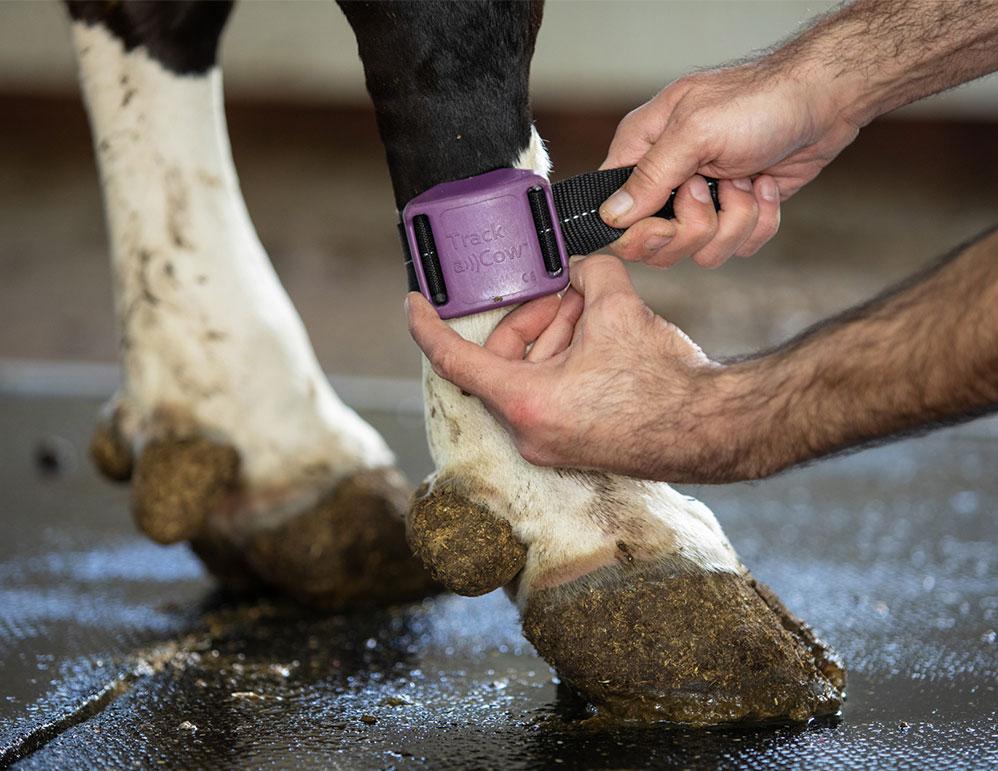
ENGS builds wearable tags for dairy and agricultural monitoring. The concept adapts a comparable architecture so that each soldier's identity and status feed the command interface.
Documented
- Wearable animal tag (Track a))) Cow)
- Heat and health monitoring
- SMS alerts, reports, mobile app
- Multi-shed, real-time monitoring
- Used in 30+ research centres
Proposed adaptation
- Soldier-associated wearable
- Unique identity association
- Biometric & fatigue data
- Status: linked, OK, rest advised
- Radio link to command platform
Military use, tag specifications, radio range and interfaces to be confirmed with the technology provider. Reference: engs-dairy.com
06 · EMI-based countermeasure concept
Controlled decisions. Responsible operation.
The system points at a drone and neutralises it with electromagnetic interference — but only after a trained person authorises it.
Detection & confirmation
Track and confidence confirm an aerial object of concern.
ProposedOperator-authorised decision
A trained human reviews the alert and decides whether to respond.
ProposedControlled countermeasure
An EMI-based response, applied in a controlled way.
To be validatedSafety & regulatory checks
Legal, safety and friendly-presence conditions are confirmed.
To be validatedPost-event report
Outcome and system status are recorded and sent to command.
ProposedFrequencies, power, waveforms, antennas and effective range are not specified. Feasibility is still to be established.
07 · Introducing IWI ARBEL
The ARBEL computerised weapon system.
- Computerised systemComputer-based platform inside the weapon
- Electronic triggerUpgraded trigger mechanism with sensors
- Movement monitoringMEMS-based sensing of movement and trigger status
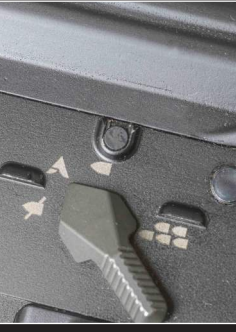
- Safe / ARBEL / AutoNew ARBEL position beside Safe and Auto
- ARBEL firing modeManages release of follow-up shots
- Integrated powerUp to ~50 h with safety on
Features per IWI brochure and website. The 2–3× hit-probability improvement is the manufacturer's claim.
Locking the trigger to stop bidirectional shooting.
Using wearable identity data, the system would recognise friendly personnel in the line of fire — or an altercation between soldiers — and send a reversible hold request to the ARBEL trigger through an approved interface.
- 1Personnel identification
- 2Friendly-presence & conflict cues
- 3Safety-status assessment
- 4Hold request — never a bypass
- 5Authorised safety confirmation
Required before integration: IWI approval · feasibility review · independent testing · safety certification. Safe-failure and override rules must be defined.